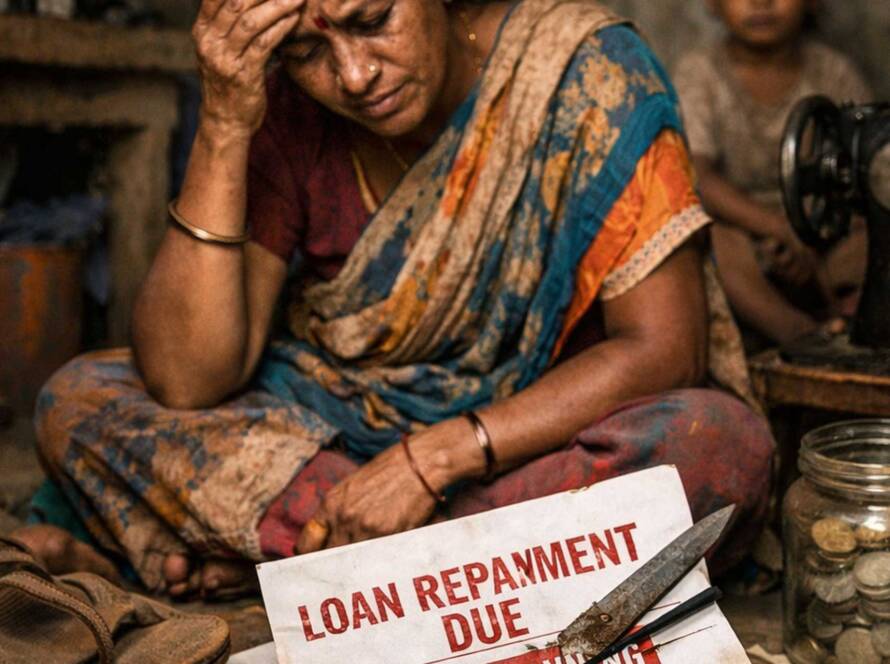
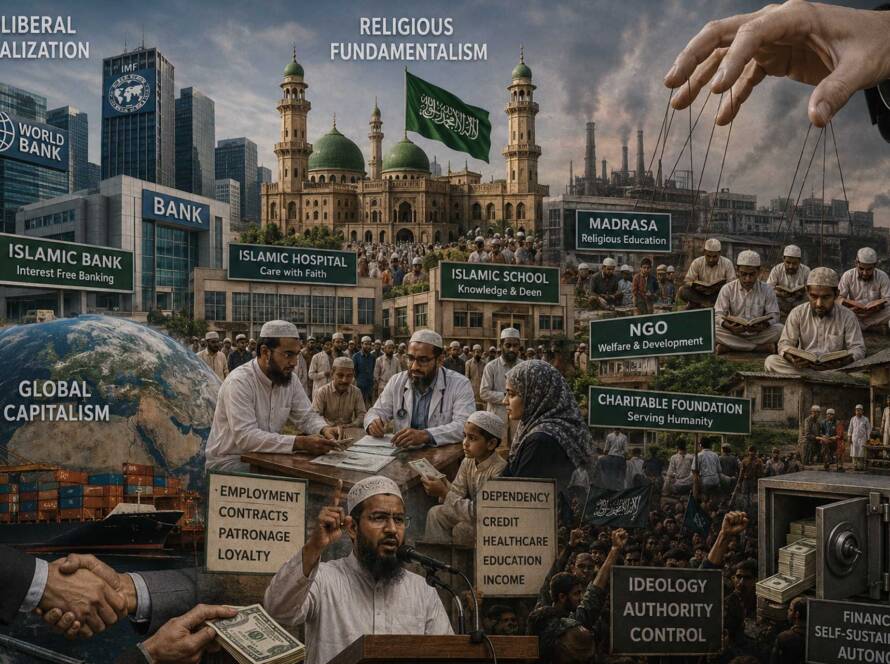
The rapid growth in organ transplantation has created an illicit trade in human organs. The kidney trade has flourished in the last few decades, but in the last few years this has been coupled with an emerging liver trade. This article examines the liver trade sourced from poor sellers in Bangladesh. Through ethnographic fieldwork, I investigate how a landless farmer and a village housewife both sell their liver lobes on the black market, and how the recipients undergo liver transplants in Bangladesh and India. I reveal that liver selling, like kidney selling, is primarily driven by the sellers’ debt. What is surprising, though, in this anthropological analysis is that microcredit, a Nobel Prize-winning economic operation, has negatively contributed to organ selling in Bangladesh. I discover that the liver trade leads to tragic outcomes for both sellers and recipients: the sellers could not repay their loans by selling a liver lobe, while one of the recipients died just over a month after the surgery. I therefore argue that liver trade is advancing through a series of disturbing ironies, resulting in bioviolence, exploitation, and suffering for the vulnerable victims.
The growth in organ transplantation and the increasing demand for living donors have created an illicit trade in vital organs, including kidneys, livers, and lungs. While kidney trafficking continues around the globe, liver trade is emerging in several parts of the world. China is alleged to procure whole livers from executed prisoners (Wu & Zheng 2004). Sales of part-livers from living ‘donors’ have emerged in Southeast Asia, the Middle East, and Eastern Europe (Scheper-Hughes 2003). Internet websites such as Matching Donors.com, JoeNeedsaLiver.com, and Help My Grandpa. comprovide additional venues for liver soliciting and trading (Saletan 2007).
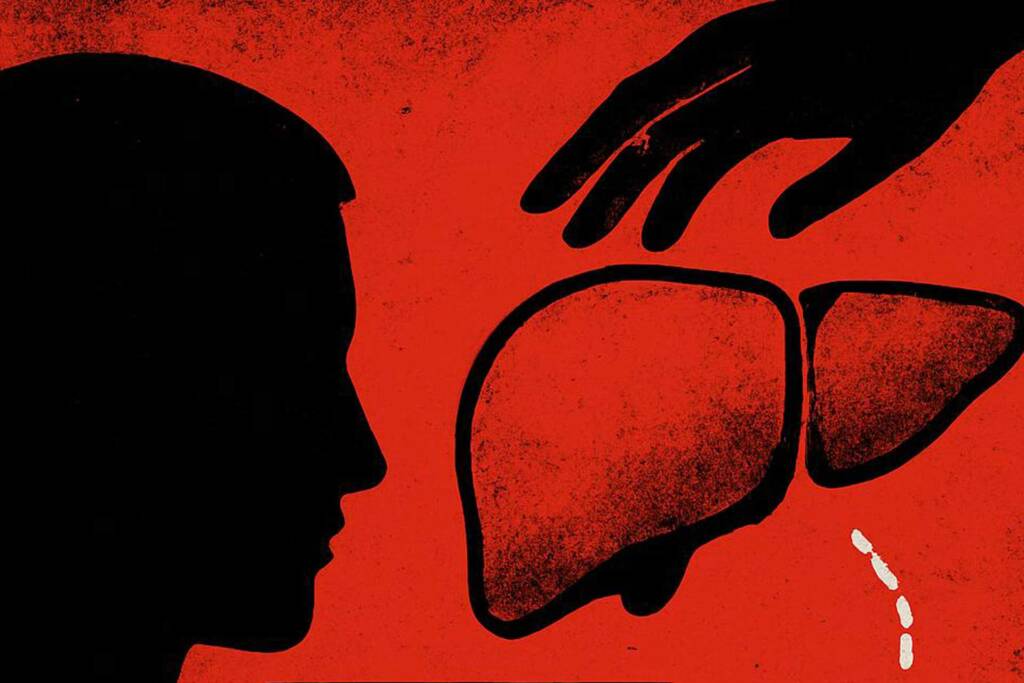
The trade in human liver lobes: bioviolence against organ sellers in Bangladesh
Since liver trade is concealed, the media have recorded only a handful of cases to date (Likun 2010; Strangio 2011). In my ethnographic research, I reveal how Kobul, a 22-year-old landless farmer, and Rahima, a 32-year-old poor housewife, sold their living liver lobes in the black market of Bangladesh.1 My challenging research with a group of liver sellers, recipients, brokers, and doctors explores the process and practice of liver trading in Bangladesh. In this article, I explain how liver trade is expanding through a series of disturbing ironies, resulting in a labyrinth of bioviolence and exploitation that adds to the suffering of vulnerable victims.
Monir Moniruzzaman, Michigan State University
Journal of the Royal Anthropological Institute (N.S.) 25, 566-586
Copyright: Royal Anthropological Institute 2019